
A Complete Guide to Purchasing Wedding Lehenga
A Complete Guide to Purchasing Wedding Lehenga:Types, Quality, Benefits, and Recommendations for Brides.
When it concerns the weddings in India, it can surely be said that traditional attires play a very important role in this occasion. One of the most popularly used types of attire should definitely be considered wedding lehenga, which seems to be very popular among both brides as well as guests at weddings. The excellent thing about this outfit is that nowadays, there are lots of varieties of lehenga that can be chosen from a great variety of styles, colors, designs, and lehengas overall, starting from light-colored lehengas that can become one of the best options for brides to bridal lehengas with unique embroidery.
The lehenga is a unique traditional Indian outfit that has been redeChoosing the right lehenga for your wedding functions can be a daunting task unless you have a good knowledge about the different styles available, as well as the fabrics used to make the lehenga. Therefore, it is advisable to learn the different styles and fabric options.
fined and adapted to meet the requirements of modern clothing design. This amazing clothing item can be customized based on the individual’s personality as well as the overall theme of the wedding.
Good quality lehengas can be made from any kind of fabric in order to achieve a conventional look that doesn't compromise the comfort of the bride during the wedding celebrations.
Different Varieties of Wedding Lehengas
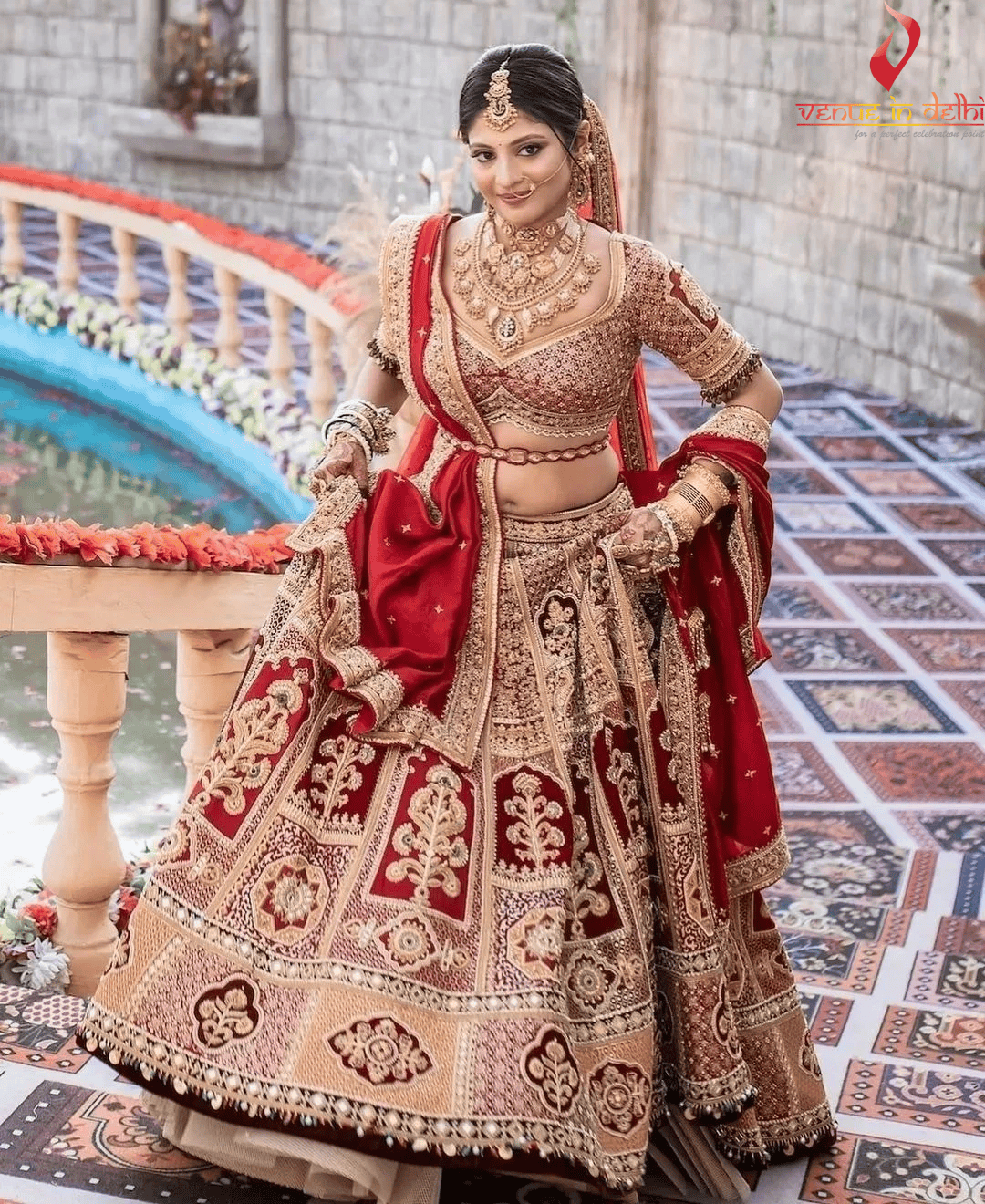
1. Bridal Lehenga
A bridal lehenga is usually designed with detailed embroidery, traditional motifs and rich fabrics. Zari, zardozi, sequins, beads, stones and thread work are commonly used to create a royal bridal appearance.
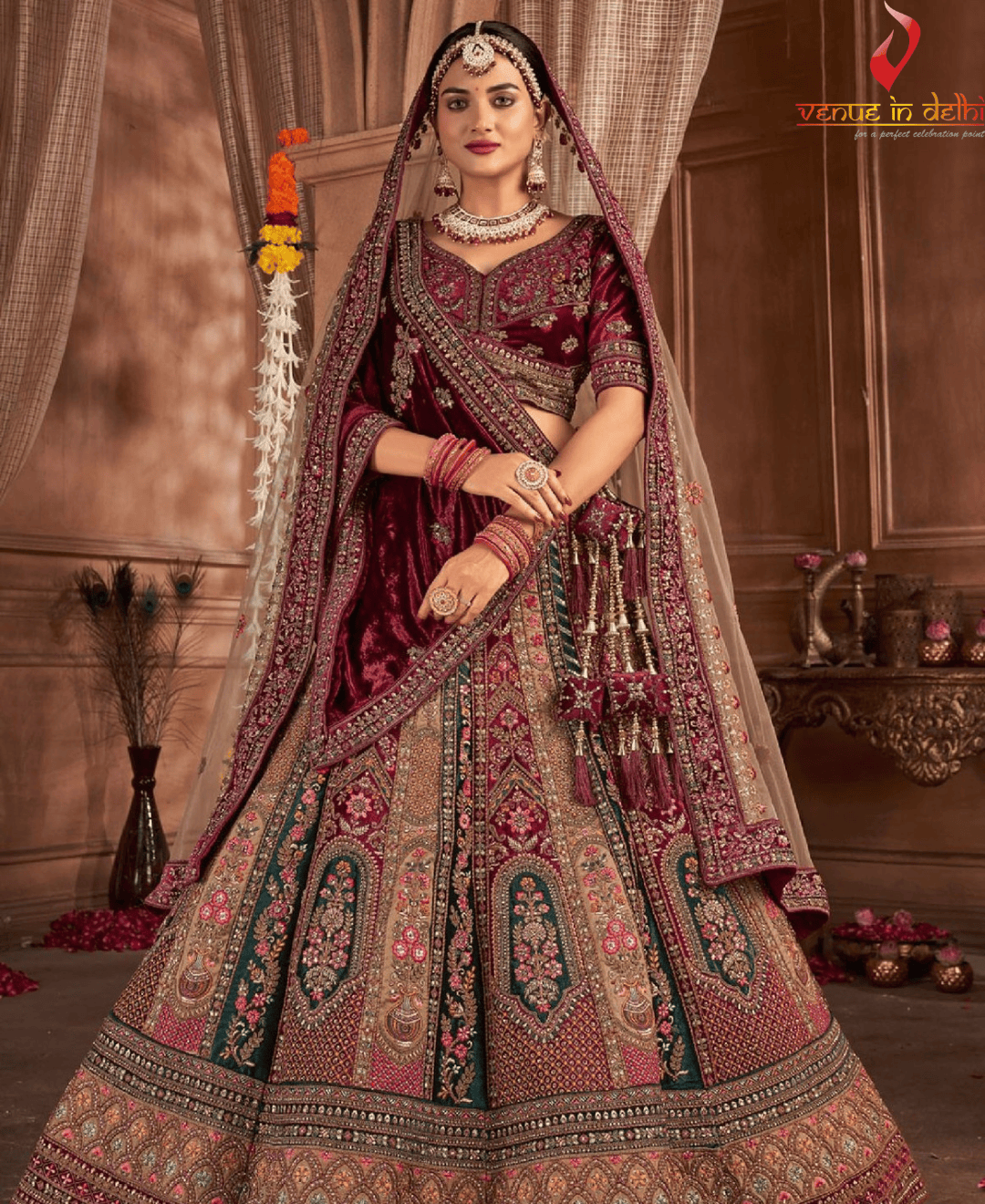
2. Designer Lehenga
Designer lehengas fuse traditional craft with modern fashion.They may feature modern blouse patterns, unique colour combinations, statement dupattas and innovative embroidery.
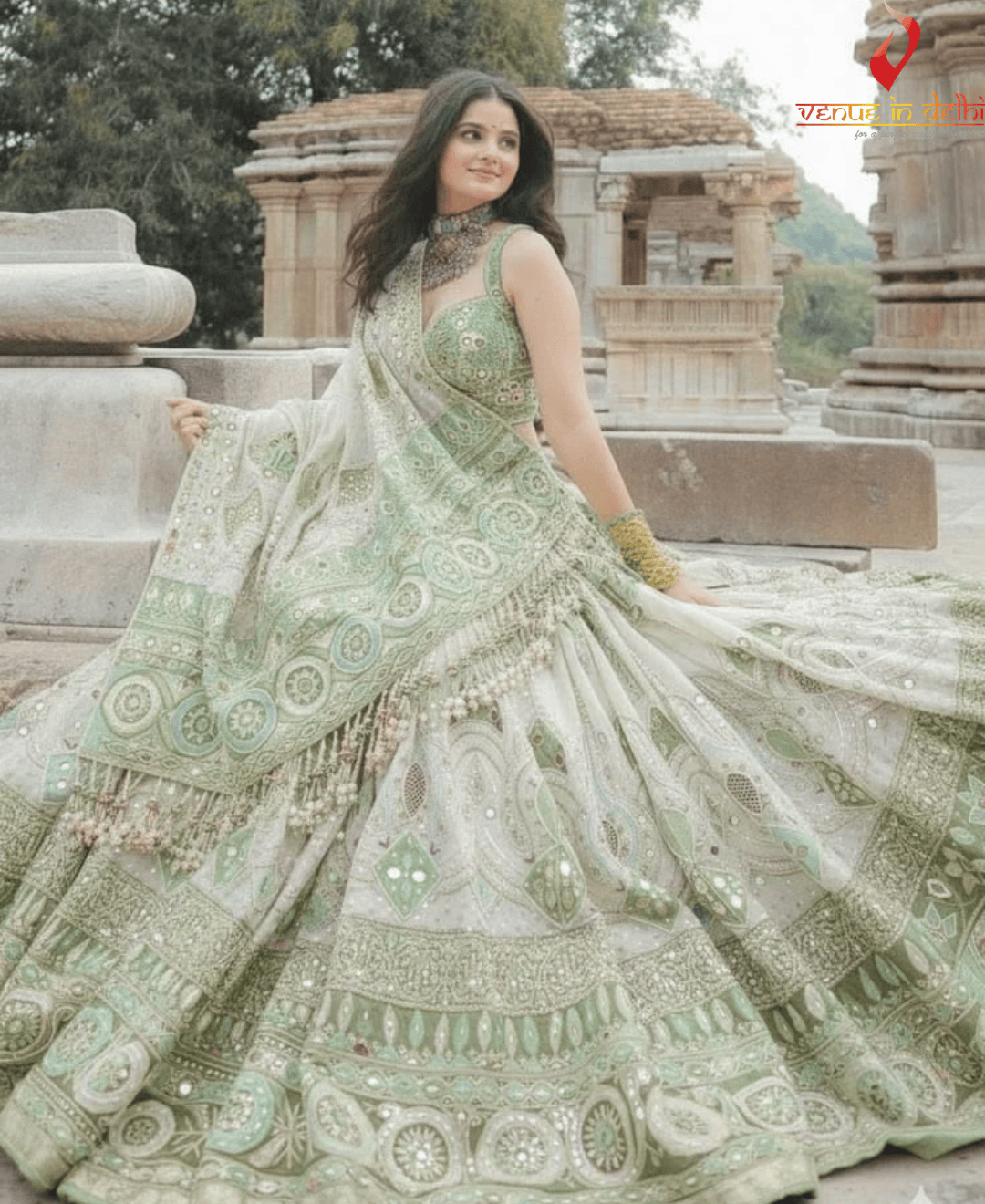
3. A-Line Lehenga
A-line lehengas have a fitted waist that flares down towards the hem. They give the person an elegant look and thus can be well suited for brides who like to wear something graceful but not too complicated.
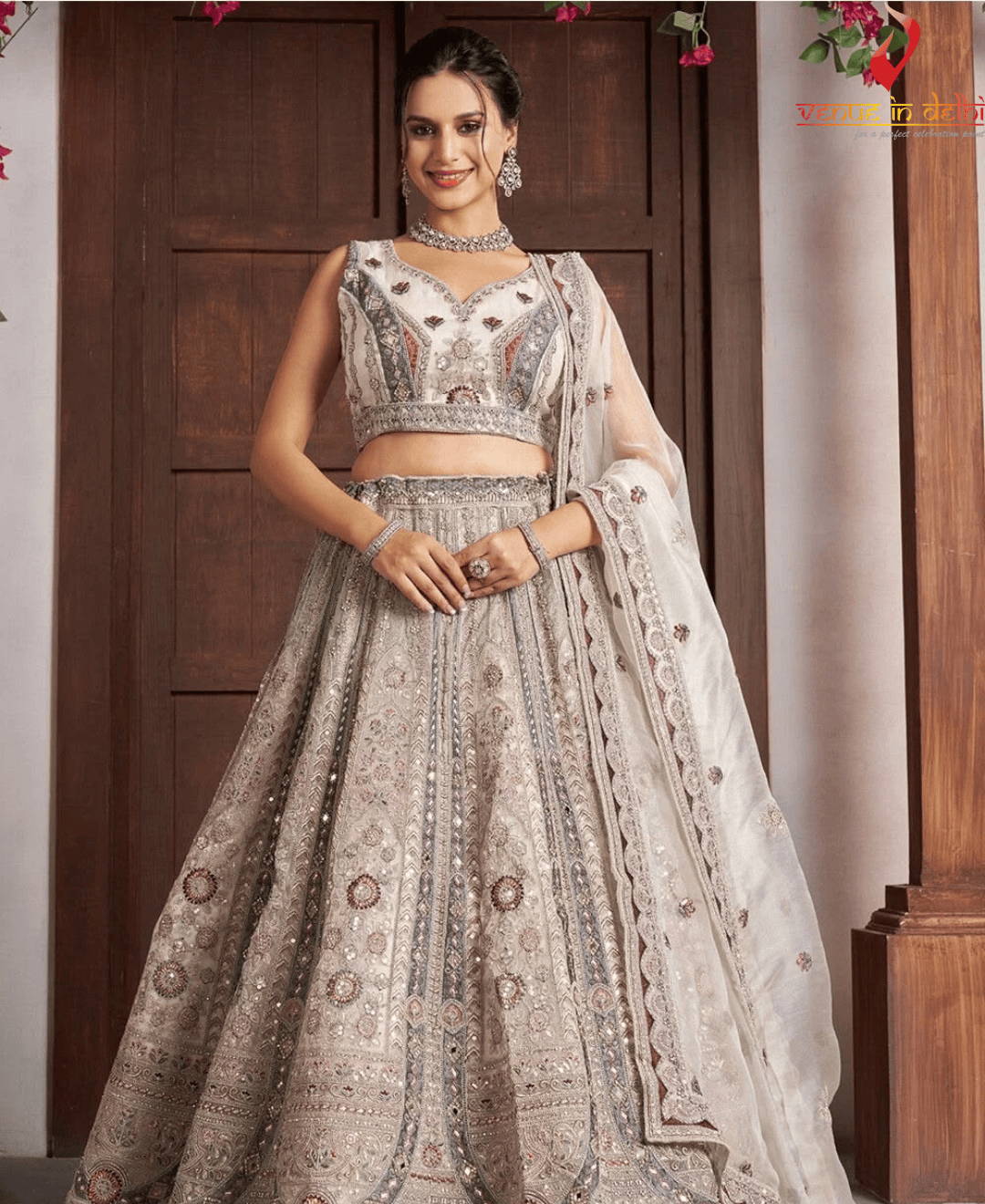
4. Flared Lehenga
The flared lehengas make a bold statement as they are known for their volume. Women choose this type of garment for their wedding pictures owing to the graceful flow of the outfit.
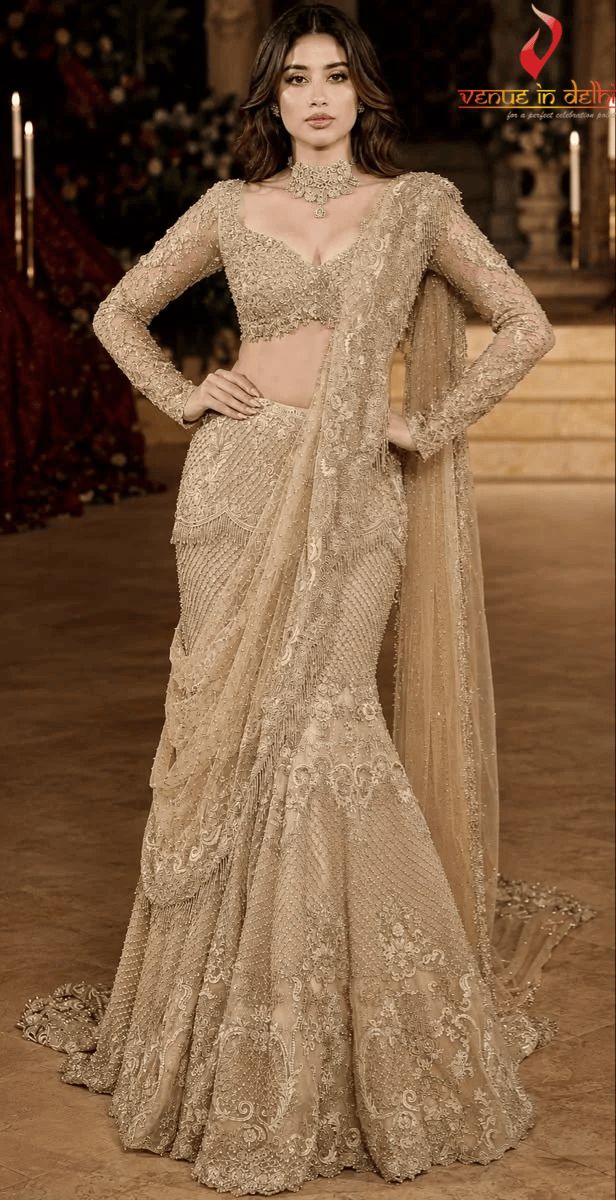
5. Pastel Lehenga
Colors such as blush pink, lavender, peach, mint green and powder blue have gained popularity in recent times with modern-day brides because of their soft appeal.
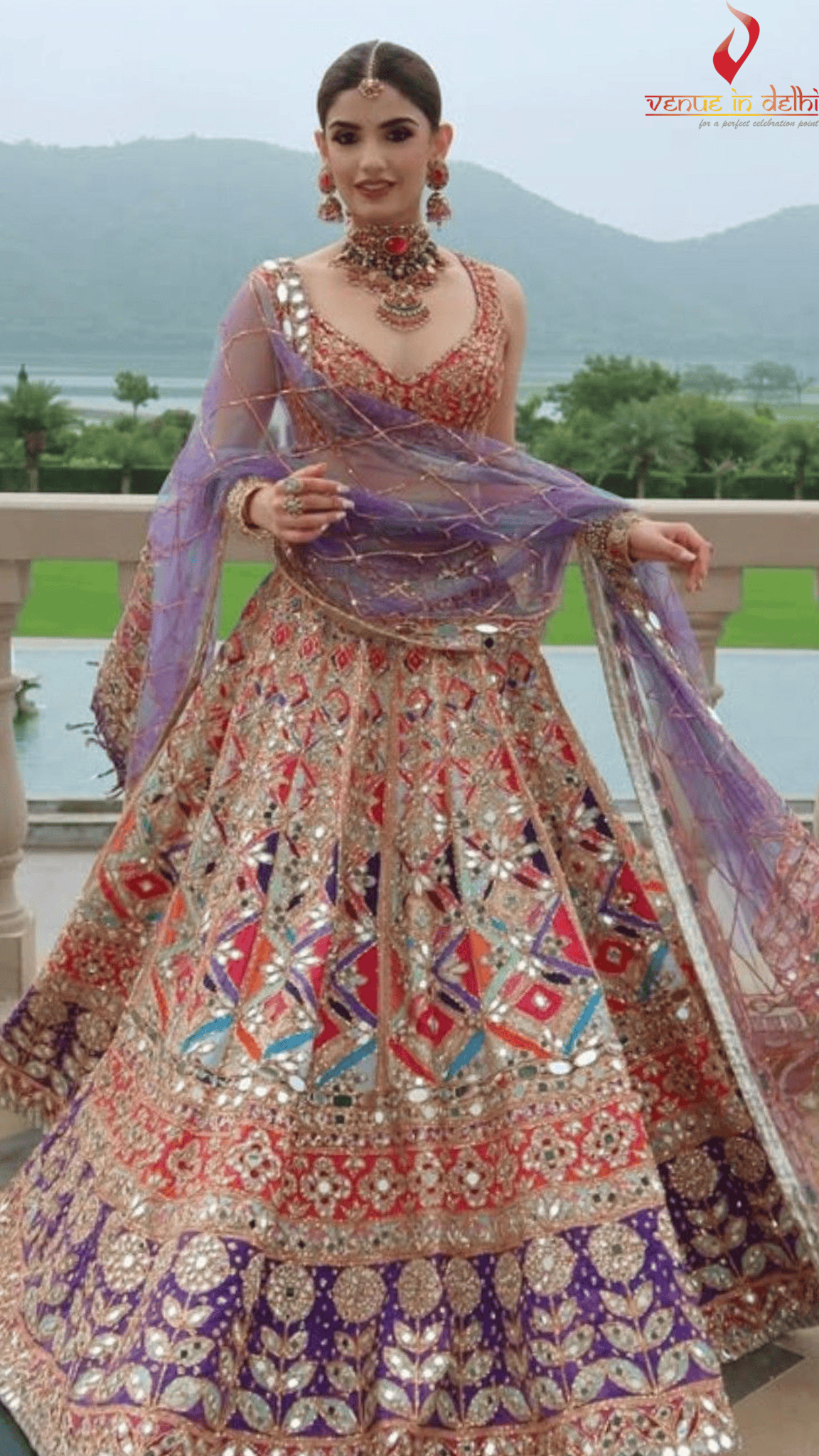
6. Traditional Red Lehenga
Red colour is still a significant shade for brides in Indian ceremonies. Classic lehengas often feature embroidery in contrasting gold or silver.
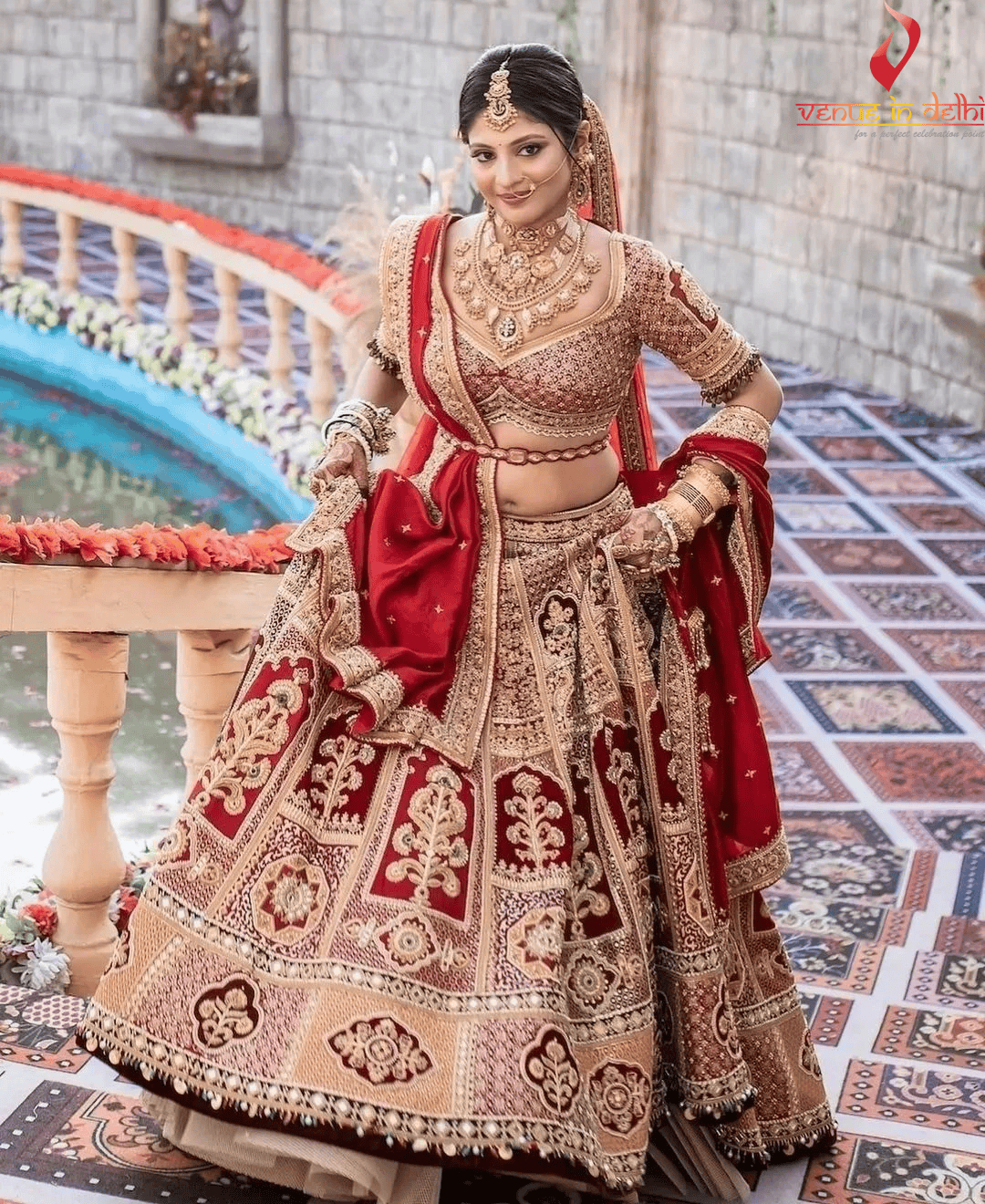
7. Reception Lehenga
Lehengas that are used for reception parties are designed differently. Bride can try other colours, styles of fabrics and blouses.
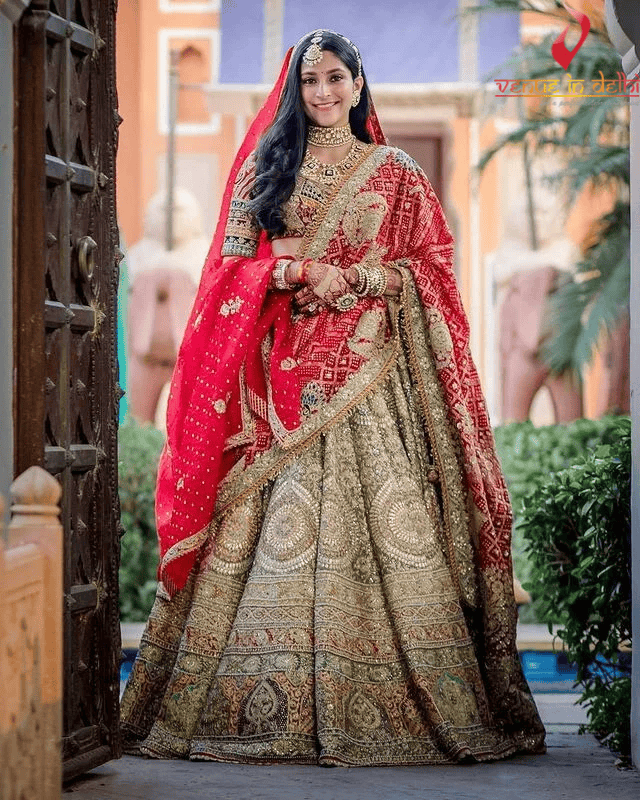
Lehenga Fabric and Quality: What Should You Look For?
Lehengas that are used for reception parties are designed differently. Bride can try other colours, styles of fabrics and blouses. A beautiful design will not be enough if the fabric, stitching or embroidery quality is poor.
Firstly, you should consider the correct type of fabric.
Special fabric: Select the material wisely according to the celebration and the climate, i.e. fabric ideal for winter is different from that of summer.
Different fabrics such as velvet, silk, georgette, organza, net and satin give various types of looks and levels of comfort.
Embroidery quality: Check to see if the embroidery has been done well and is attached firmly and uniformly.
Stitching: The lehenga and the blouse should be stitched in a neat manner without threads sticking out.
Lining: A good quality lining in a lehenga can give you all the comfort and allow the lehenga to maintain its shape well.
Finishing of the dupatta: Look carefully at the borders and the embroidery of the dupatta.
Quality of the colour: Ensure that the fabric has a uniform and good colour without any patches or uneven dyeing.
Fittings: The blouse should have enough space for appropriate adjustments and natural movement.
Final checks: Check the seams, edges, embroidery, and final touches before making the final selection.
Benefits of Choosing a Good-Quality Lehenga
1. Better Appearance
The fabrics that are of good quality, and sophisticated embroidery will help your lehenga wear an expensive look.
2. Improved Comfort
A properly stitched lehenga with good-quality lining can make it easier to move, sit and participate in wedding rituals.
3. Better Durability
Good quality fabric and strong stitching will allow the lehenga to last longer if properly stored.
4. Beautiful Photography
A well-fitted lehenga with good embroidery and fabric movement can look stunning in wedding photography and videos.
5. Better Fitting
Quality bridal outfits generally provide better tailoring and alteration possibilities, helping create a more personalized fit.
6. Reusable for Special Occasions
At times, a multipurpose lehenga can be paired with a new dupatta, co-ordinate or accessories for a different look on a different occasion.
Tips for Selecting the Perfect Lehenga for the Wedding
Initially, keep in mind about the type of wedding, season, style of venue as well as your own fashion sense. In case of day weddings, pastels and light materials would suit the purpose. However, to look splendid in this outfit during night festive occasions, one can choose heavy shades with elaborate embellishments.
Guide for Brides on Wearing Lehenga
A bride can beautify her bridal dress with the help of the right kind of accessories. Below are tips to accessorize a lehenga properly.
Lehenga Styling Tips for Brides
- Earrings
- Bangles or bridal chooda
- Elegant footwear
- Matching clutch
- Traditional or contemporary hairstyle
- Coordinated makeup
Be cautious to keep on balancing between the lehenga and its embellishments. If the lehenga has too much work, then simply designed ornaments can help you stand out.
Importance of Quality over Design
While buying bridal lehengas, we often concentrate on colour and embroidery only. However, the materials used for stitching, its finishing and comfort level should also be taken into account.
An expensive- looking lehenga must have perfect embroidery work, durable stitching, comfortable lining and a finely shaped silhouette.
Conclusion
The wedding lehenga is not just a garment but plays an important role in keeping the memories alive for the bride of the wedding day.Different types of lehengas that one can choose include bridal lehengas, designer lehengas and pastel lehengas. Important aspects which must be taken into consideration while selecting one including quality of fabric and embroidery, stitching, and comfort. The right choice of lehenga adds to the glory keeping the bride beautiful and giving wonderful photographs on her wedding day.
Frequently Asked Questions (FAQs)
1. Which lehenga is best for a wedding?
Selecting the appropriate lehenga is not an easy task as there are a number of elements that need to be taken into consideration first. The taste, occasion, season, the specifics of the surrounding persons, and the budget must all be established when choosing a perfect lehenga. The use of heirloom fabric lehengas has grown behind the trend of using bridal lehengas in weddings.
2. How can I check the quality of a lehenga?
Proper rules must be learned to enable the maintenance of the fabric; the occurrence of water on the fabric must be eliminated; the coating must be stored in cool dry places; and it is important to employ a professional service in taking care of the fabric.
3. Which fabric is suitable for a bridal lehenga?
Silk, velvet, georgette, organza, net and many other materials can be selected for bridal lehengas depending on the season, style and appearance.
4. Are lightweight lehengas suitable for brides?
Yes indeed. Light lehengas are ideal for longer ceremonies due to their convenience and ease of use.
5. Which lehenga colour is suitable for a bride?
The lehenga has a smashing combination of colors like red, maroon, pink, pastel, wine, and golden color.The different colors of lehenga should be chosen keeping the bride’s choice in mind.
6. What should I check before buying a bridal lehenga?
You should review every factor of the specified cloth of fabric and layout including quality of the fabric, embroideries and stitches done, design of lining and stitching, colour of the cloth used as well as finishing of the dupatta.
7. Can a bridal lehenga be customized?
In general terms, lehengas allow for alteration when it comes to its blouses, sleeves, necklines and colour combinations as well as its fitting.
8. How should I choose a lehenga according to the wedding function?
Heavy bridal attire is appropriate for the wedding ceremony itself while several light contemporary outfits are ideal for engagement parties, mehendi celebrations, cocktail parties, etc.
9. Why is fitting important in a wedding lehenga?
An appropriate attiring will provide more comfort and also contribute to a better look in the pictures taken at wedding ceremonies.
10. How can I maintain my wedding lehenga after the wedding?
Before making the final decision, it is essential to take into account the fabric, type of embroidery, type of stitching, internal lining, borders and finishing of the piece.